Rubber serves as a vital foundational material in industrial manufacturing, automotive components, building sealing, and daily consumer products, with extensive applications across various fields. However, traditional solid rubber typically suffers from issues such as high density, high material consumption, and limited shock absorption and thermal insulation performance. To address these challenges, foam modification has emerged as a key technological approach for rubber enhancement, with foaming agents being the critical raw materials essential for achieving foam formation and determining the final product quality. In essence, foaming agents are deeply integrated with rubber, collectively forming the technical foundation for high-performance foam rubber.
In rubber systems, foaming agents primarily serve the function of "pore formation." During the rubber mixing and heat vulcanization processes, when exposed to heat reaching their decomposition temperature, these agents steadily release gases such as nitrogen and carbon dioxide. These gases are uniformly dispersed throughout the rubber compound, creating numerous microscopic pores that transform the rubber from a dense solid structure into a porous, lightweight structure. This physico chemical change not only achieves rubber light weighting but also enhances its flexibility, cushioning performance, sound insulation, and thermal insulation properties, upgrading conventional rubber into a multifunctional composite material.
1 Appearance and Internal Structure: The decomposition rate and gas generation capacity of the foaming agent directly determine the internal cell structure of the rubber. High-quality foaming agents produce a fine, uniform, and dense cell structure, resulting in a smooth and even product surface free from collapse, large pores, or interconnected pore defects. Conversely, an inappropriate foaming agent may lead to coarse cells, uneven distribution, and internal voids, significantly compromising both appearance and product yield.
2 Enhancement of Physical Properties: Under the action of the foaming agent, the rubber density is significantly reduced, effectively decreasing raw material consumption and controlling production costs. Meanwhile, the cellular structure substantially improves the rubber's shock absorption and cushioning performance, sound absorption and noise reduction capabilities, thermal insulation properties, as well as enhances product flexibility and resilience. It also Enhance flex fatigue resistance performance and prolongs service life.
3 Processing and Production Compatibility: The high-quality foaming agent exhibits excellent compatibility with mainstream rubber types such as natural rubber, Nitrile Rubber, EPDM, and silicone rubber, without interfering with the vulcanization process or compromising the inherent strength of the rubber. Additionally, it is compatible with various production processes including molding, extrusion, and continuous vulcanization, thereby enhancing production stability and efficiency.
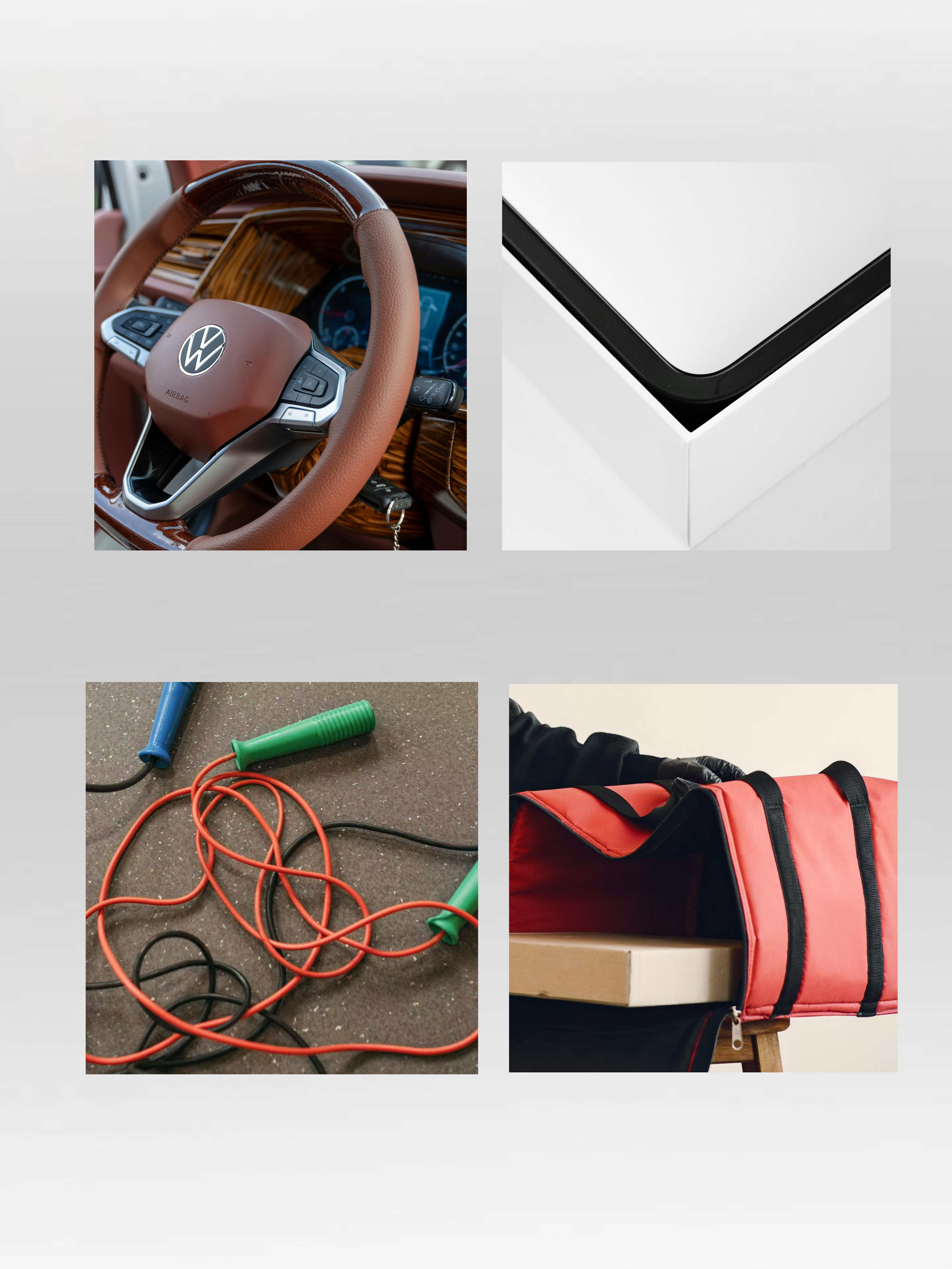
With the aid of foaming agents, foamed rubber is widely used in various fields:
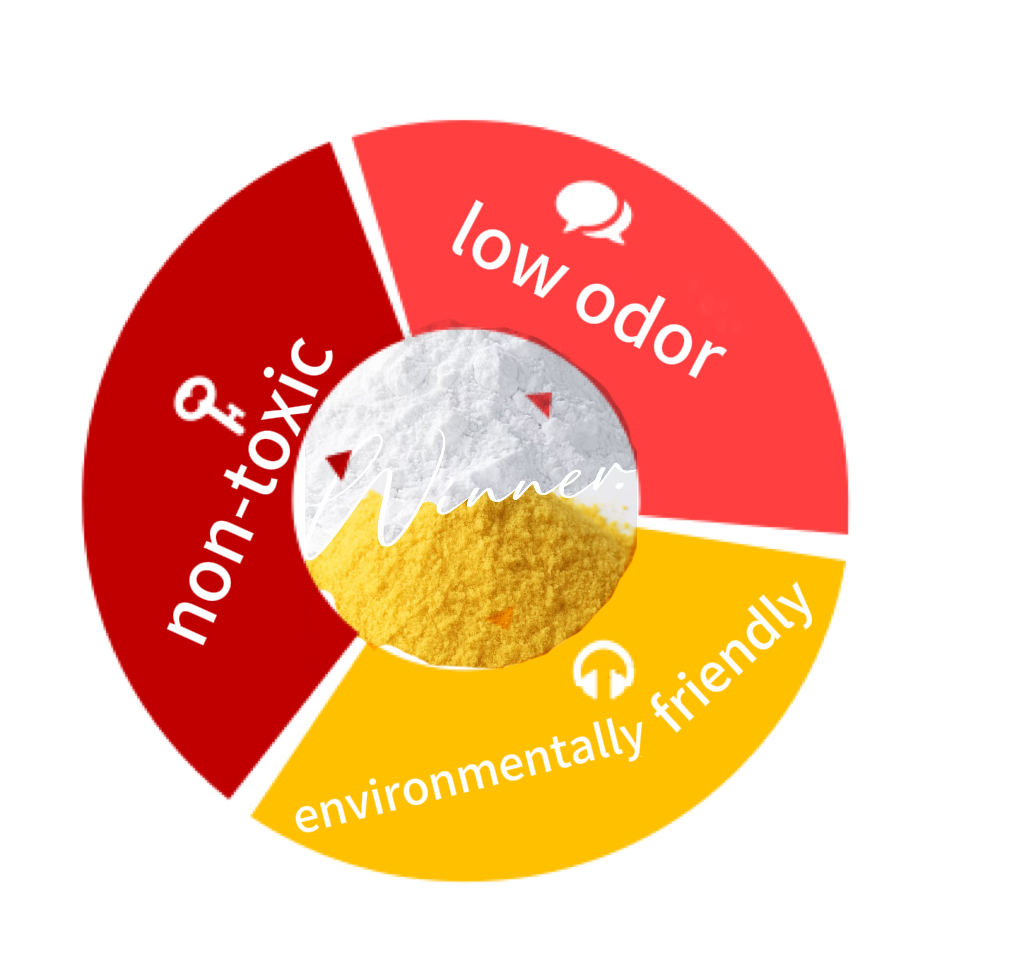
The rubber industry is currently evolving toward lightweight, environmentally friendly, and high-end development, imposing higher demands on foaming agents. Non-toxic, low-smell, and eco-friendly foaming agents are gradually replacing traditional products and becoming the market mainstream. Meanwhile, specialized foaming agents with high stability and precise foam control are continuously being introduced, further enhancing the quality of premium foamed rubber. Amid the trends of low carbon and light weighting, foaming agents will continue to play a pivotal role in advancing the rubber industry's transformation.
The foaming agent complements rubber and serves as an indispensable core additive in the rubber foaming process. Its properties, compatibility, and application techniques fundamentally determine the cell structure, physical characteristics, and final product performance of the foamed rubber. Selecting the appropriate foaming agent enables the production of high-quality foamed rubber with uniform structure, stable performance, and outstanding cost-effectiveness, providing more reliable lightweight material solutions for various industries.
For sample requests, price inquiries, or product details, feel free to contact us via private message or phone. We are committed to providing professional services. Let us begin our collaboration with a sincere consultation!
Office: Shi Zhen Industry Zone, Wannian County Industrial Park Shangrao JiangXi China
Post code: 335503
Tel: +(86) 798 6788166 | +(86) 13979800086
Email: info@jxyubochem.com Website: www.jxyubochem.com
