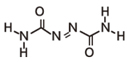
AC foaming agents, also known as blowing agents, are essential for producing lightweight elastomeric materials such as EVA foam, PVC, PE, and rubber. Azodicarbonamide (ADC or AC) with formula C₂H₄O₂N₄ decomposes on heating and releases gases — nitrogen (N₂), carbon dioxide (CO₂), carbon monoxide (CO), and ammonia (NH₃) — forming a fine, uniform cellular structure that delivers the foam's physical properties.
As a leading manufacturer of azodicarbonamide in China, Jiangxi YUBO Indutrial Co., Ltd. focuses on stable decomposition behavior, high gas yield, and excellent dispersion performance to ensure consistent foaming results for applications worldwide.
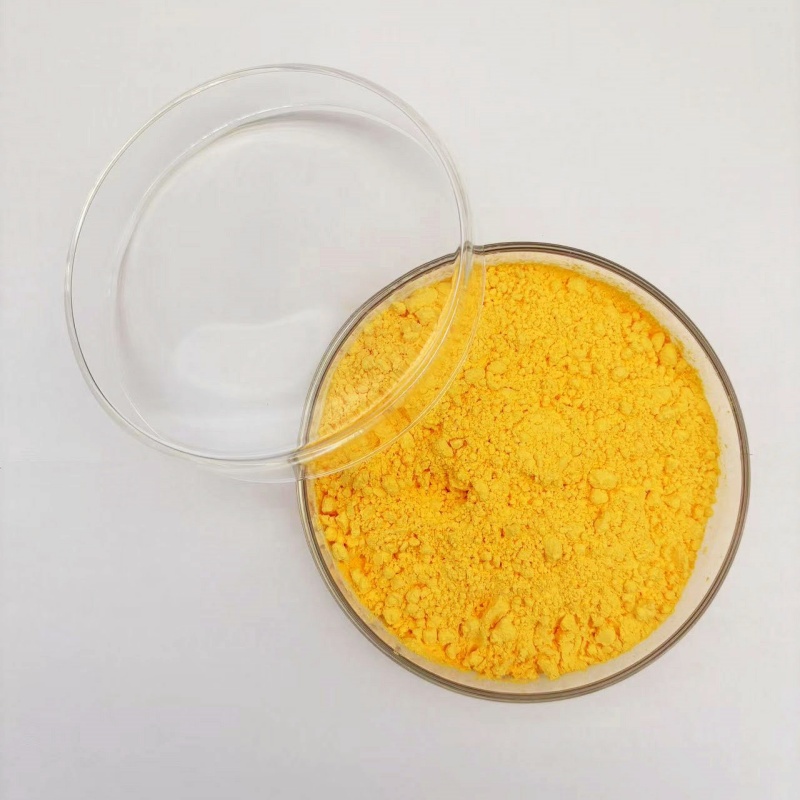
The production of a foaming agent begins with selecting high-purity chemical raw materials, mainly hydrazine derivatives, urea, and specific catalysts. Each ingredient affects gas evolution, decomposition temperature, and the resulting foam structure — stable, well-controlled inputs are essential.
Urea
(CO(NH₂)₂) — nitrogen source & stabilizer
Urea is a core raw material in AC synthesis. It participates in forming nitrogen-rich intermediates, which later decompose to release gas. High-purity industrial urea ensures uniform reaction, minimizes by-products, and improves the thermal stability, color control, and final foam uniformity for EVA, PVC, and rubber applications.
- Acts as a nitrogen donor and stabilizing component
- Purity directly impacts gas yield and color
- Helps produce consistent foam properties in end-use
Specific Catalysts
(metal-based or organic acid catalysts)
Catalysts optimize reaction rate, conversion efficiency, and product consistency. Properly selected catalysts promote controlled oxidation and dehydration steps without being consumed. YUBO's R&D continually refines catalyst formulations to narrow decomposition range, raise yields, and reduce odors and residues.
- Controls reaction kinetics and selectivity
- Narrows decomposition temperature range for predictability
- Reduces unwanted residues and odor
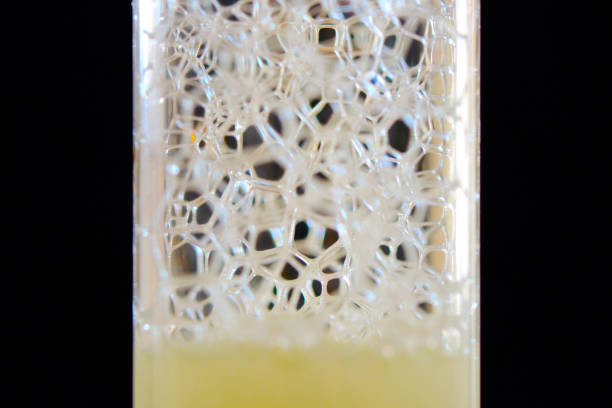
The core production phase uses closed stainless-steel reactors with controlled agitation and temperature jackets. In the presence of catalysts, hydrazine derivatives react with urea to form Azodicarbonamide crystals. Maintaining stable conditions prevents side reactions and ensures consistent decomposition performance.
Charging & Mixing
Verified raw materials are weighed precisely and loaded into a hermetically sealed stainless-steel reactor. The mixture is stirred to a uniform suspension before reaction initiation to ensure even reaction and consistent intermediate formation.
- Accurate weighing and dosing
- Closed system to avoid contamination
- Uniform mixing to avoid local overheating
Reaction Stage
The controlled reaction typically proceeds at moderate temperatures (~90–120°C) under slight positive pressure. Hydrazine derivatives react with urea under catalytic control to form intermediates that crystallize into Azodicarbonamide.
- Managed heating rates to ensure full conversion
- Catalyst-driven selectivity improves yield
- Monitoring prevents unwanted discoloration
Temperature Control
Precise thermal management is essential. Too low a temperature leads to incomplete reaction and low gas yield; too high causes premature decomposition and color issues. Continuous monitoring of temperature, pressure, and pH is used to maintain an optimal reaction window.
- Automated temperature regulation systems
- Real-time sensors for pressure & pH
- Alarms & interlocks to avoid thermal runaway
Completion & Cooling
Once endpoints are met, the reaction mixture is cooled gradually to avoid thermal stress and to promote uniform crystal formation. The resulting slurry is then transferred for filtration and purification.
- Controlled cooldown to obtain proper crystal habit
- Transfer under sealed conditions to filtration units
- Quality checks before the next processing step
After reaction, the slurry contains AC Foaming Agent (Azodicarbonamide) crystals, unreacted reagents, and by-products. Solid–liquid separation, impurity removal, and controlled drying are critical to ensure high purity and consistent performance.
- Plate-and-frame filter presses or centrifugal separators for efficient separation
- Multiple washing stages to remove soluble residues
- Carefully controlled drying to avoid decomposition and preserve crystal integrity
Filtration parameters (pressure, flow) are adjusted to prevent product loss while maintaining uniform particle size and minimizing fines.
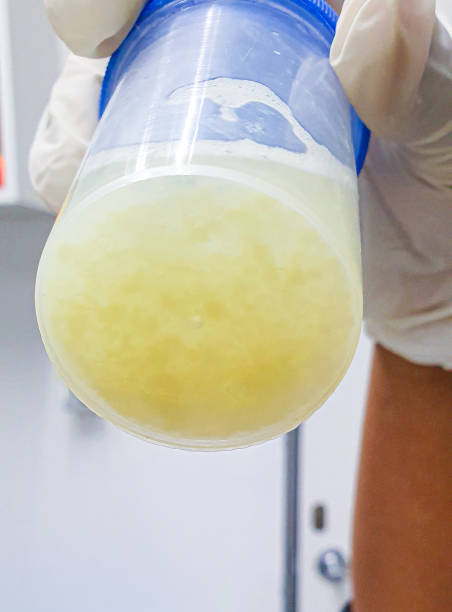
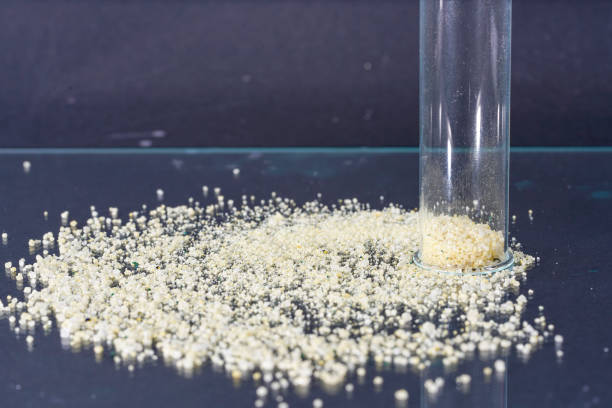
Once dried, the foaming agent is milled into uniform particles. Particle-size tailoring is essential because different downstream processes and applications require different size distributions.
- Fine powders for EVA shoe soles and thin foam sheets
- Larger particles for PVC flooring and injection molding products
- Precise particle control improves foam uniformity and surface smoothness
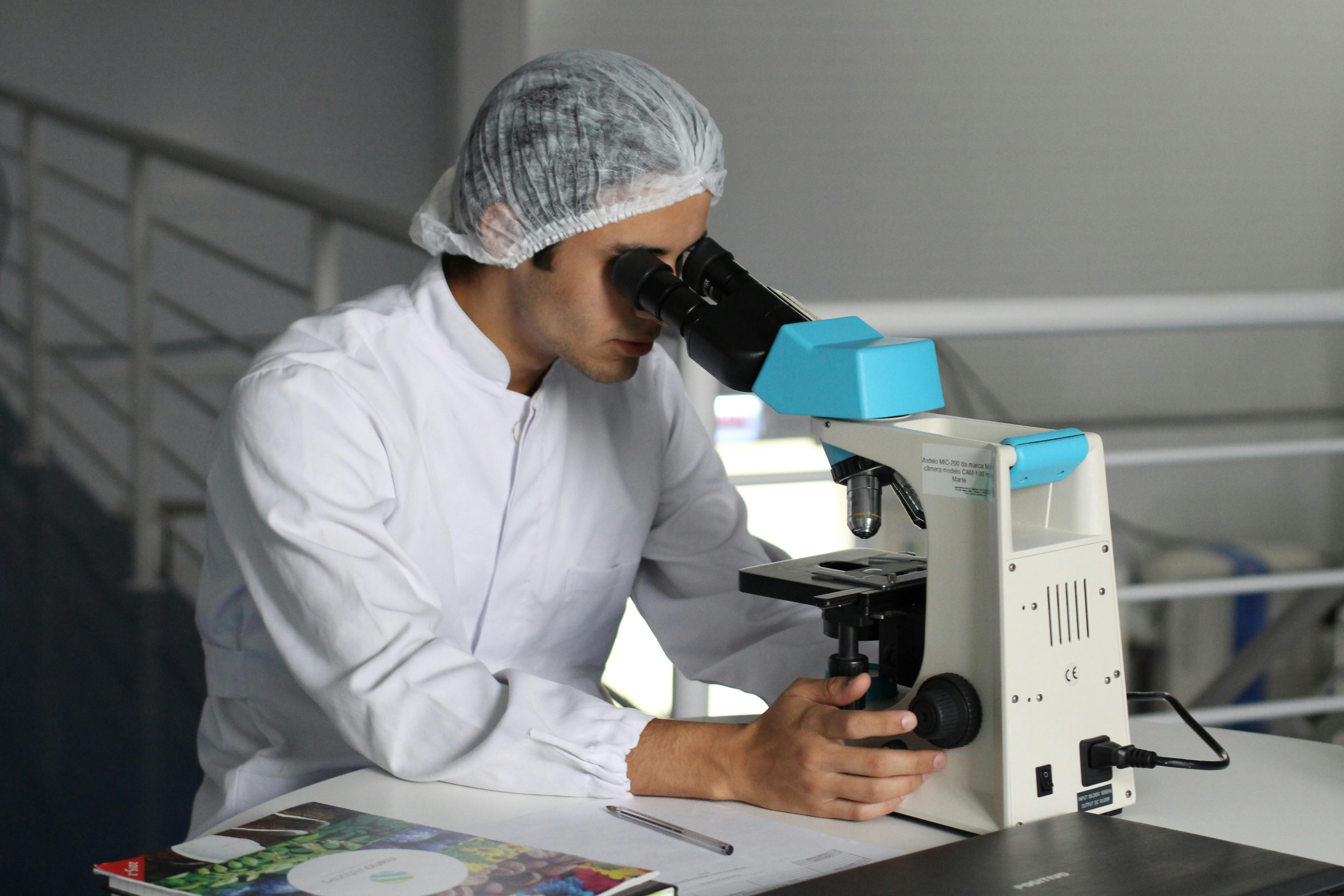
Before shipment, each batch is tested thoroughly to ensure purity, thermal characteristics and predictable foaming.
HPLC Analysis
High-Performance Liquid Chromatography quantifies chemical purity and detects trace impurities or unreacted residues, ensuring our batches meet the ≥97% purity standard.
TGA Testing
Thermogravimetric Analysis measures decomposition temperature and gas-evolution behavior to verify that the AC decomposes within the expected range (typically 200–210°C), critical for consistent foaming during EVA injection, PVC extrusion, or rubber molding.
- HPLC: purity & residue control
- TGA: decomposition profile and gas-evolution verification
- COA and technical datasheets accompany every lot
Safety precautions for chemical foaming agent AC production
The production of foaming agents is a precise combination of chemistry, process engineering and quality control. From raw material selection through synthesis, purification, particle control and testing, each step ensures the product performs reliably across polymer foaming applications.The production of Azodicarbonamide (AC) involves exothermic reactions and nitrogen-based compounds, which require strict safety management. All reactors and pipelines must be corrosion-resistant and hermetically sealed to prevent gas leakage or contamination. Continuous monitoring of temperature, pressure, and pH ensures stable reaction conditions and prevents overreaction. Operators should wear appropriate protective equipment and maintain proper ventilation in all processing areas. Emergency systems, such as automatic shutdown and nitrogen purging, are essential to guarantee plant and personnel safety during production.
Why Choose YUBO Azodicarbonamide
Trusted Manufacturer
Over 15 years of industry experience
Top 3 domestic producers of ADC blowing agents in China
Over 15 years of industry experience
Top 3 domestic producers of ADC blowing agents in China
Advanced Testing
Comprehensive HPLC and TGA analysis verify purity, gas evolution and decomposition behavior.
Flexible Service & Fast Delivery Free samples available
OEM/custom particle size on request
Full documentation: COA, MSDS, SGS, REACH
OEM/custom particle size on request
Full documentation: COA, MSDS, SGS, REACH
Strict Quality Control
ISO-style QC and full traceability from raw materials to packaging.
High Purity & Consistency
Each batch targets ≥97% purity and a stable decomposition temperature (200–210°C) for reliable foaming.
Compliant with international standards
visit for more details
Each batch targets ≥97% purity and a stable decomposition temperature (200–210°C) for reliable foaming.
Compliant with international standards
visit for more details