
Product Overview
AC Foaming Agent, also known as Azodicarbonamide (ADA), is the most widely used chemical blowing agent in the plastics and rubber industry. It is a yellow-orange crystalline powder that decomposes at high temperatures (200–220°C) to release gases such as nitrogen, carbon monoxide, carbon dioxide, and ammonia.
Azodicarbonamide is a powerful foaming agent used in the production of foamed plastics, rubber, and other polymers. When heated, ADC decomposes to release nitrogen gas, which expands the polymer matrix, creating a foam structure. This controlled foaming process results in products that are not only lighter but also retain the desired mechanical properties. ADC’s decomposition temperature range allows for its application across a variety of materials and manufacturing processes.
Chemical Structure of Azodicarbonamide
H2N-C(=O)-N=N-C(=O)-NH2
Molecular Formula: C2H4N4O2
Application Show
Applications of AC Foaming Agent (Azodicarbonamide): Azodicarbonamide ADC blowing agent is a general type of high-temperature blowing agent, with good compatibility and dispersion. Therefore, AC foaming agent is widely used as a foaming agent in plastic and rubber processing.
The following are some pictures showing the specific applications of foaming agents:


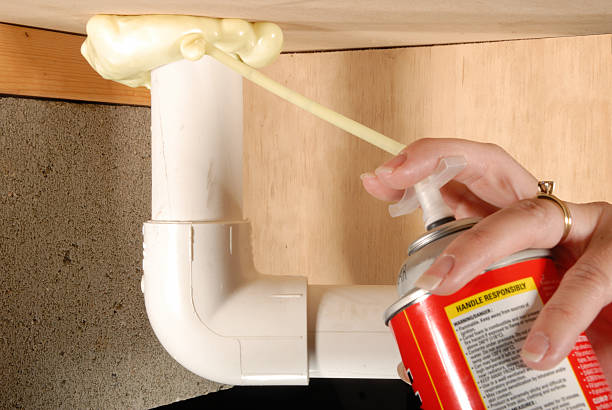
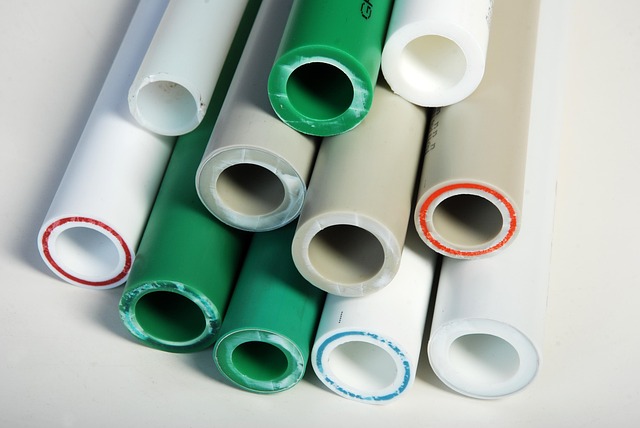

Key Applications of Azodicarbonamide (ADC)
Azodicarbonamide (ADC):
A Key Blowing Agent Driving Industrial Innovation
Introduction
In the field of chemical additives, Azodicarbonamide (ADC) has established itself as one of the most widely used and cost-effective blowing agents. Known for its high gas yield and competitive price, ADC is more than just a chemical—it is a crucial enabler of lightweight, durable, and sustainable materials across industries.
1. Revolutionizing Plastics Manufacturing: Lightweight and Durable Solutions
Azodicarbonamide is a go-to foaming agent in the plastics industry, where it helps produce lightweight yet durable plastic products. By introducing fine cell structures into materials like PVC, PE, PP, and PS, ADC ensures that plastic products maintain their strength while reducing overall weight. This characteristic makes ADC particularly valuable for:
-
Packaging Solutions: ADC enables the creation of lightweight, strong, and cost-effective foamed plastics for packaging, reducing material usage while providing excellent protection.
-
Automotive Components: Lightweight foamed plastics made with ADC are used in car parts such as dashboards, bumpers, and interior trim, improving fuel efficiency by reducing vehicle weight.
-
Consumer Goods: From toys to appliances, ADC’s foamed plastics provide strength without adding unnecessary weight, improving both functionality and ease of use.
Key Benefits:
-
Material Efficiency: ADC reduces the need for raw materials, offering a more economical and sustainable alternative for manufacturers.
-
Cost-Effectiveness: By lowering production costs and material waste, ADC ensures a higher return on investment (ROI).
2. Enhancing Rubber Products: Durability and Performance
In the rubber industry, Azodicarbonamide is widely used in the production of foamed rubber components, providing enhanced performance, flexibility, and reduced weight. ADC’s ability to create precise foam structures in rubber is especially beneficial for:
-
Tires: ADC improves the shock absorption and resilience of tires, while also helping reduce their weight for better fuel efficiency in vehicles.
-
Foam Padding: Used in yoga mats, gym equipment, and sports accessories, foamed rubber offers superior cushioning properties, ensuring comfort and durability.
-
Rubber Seals and Gaskets: ADC aids in producing rubber components such as seals and gaskets, ensuring a balance of elasticity and compression resistance for long-lasting performance.
Key Benefits:
-
Improved Performance: ADC enhances the shock-absorbing properties of rubber products, making them more resilient to wear and tear.
-
Sustainability: By reducing rubber consumption and lowering energy use during production, ADC helps manufacturers achieve more sustainable practices.
3. Advancing EVA Foam Production: Flexibility and Comfort
The EVA (Ethylene Vinyl Acetate) foam industry relies heavily on Azodicarbonamide to produce flexible, comfortable, and durable foam products. Whether used in footwear, mats, or protective padding, ADC’s role in EVA foam production offers manufacturers several advantages:
-
Footwear: ADC creates lightweight and comfortable soles for shoes, providing superior cushioning while maintaining durability.
-
Protective Mats: ADC enhances the performance of EVA foam in sports and exercise mats, providing optimal comfort, support, and non-slip properties.
-
Cushioning and Padding: ADC’s fine foaming structure is used to produce EVA foam for padding in protective gear, ensuring a balance of softness and resilience.
Key Benefits:
-
Customization of Foam Density: Manufacturers can adjust the foam’s density for different applications, from high-density soles to softer, cushioned mats.
-
Enhanced Comfort: EVA foam products made with ADC provide superior shock absorption, making them ideal for footwear and protective equipment.
4. Boosting PE Foam Production: Insulation and Protection
Azodicarbonamide plays a key role in the creation of Polyethylene (PE) foam, a lightweight and versatile material used in both packaging and insulation applications. The foamed structure created with ADC allows for:
-
Packaging Solutions: PE foam is used in protective packaging for fragile items, reducing damage during shipping while maintaining a lightweight profile.
-
Thermal and Acoustic Insulation: PE foam’s excellent insulating properties make it ideal for construction and automotive industries, where it serves as a thermal and sound insulator.
Key Benefits:
-
-
-
Cost-Effective Insulation: PE foam made with ADC provides effective insulation without the high costs associated with other insulating materials.
-
Eco-Friendly Packaging: ADC’s contribution to lightweight packaging reduces material consumption and improves sustainability.
-
-